Clear Words. Real Skills. For Everyone.

At ForwardWorks, we believe learning should be accessible to all. That’s why our Skills Lab Center uses a plain language approach — breaking down complex workplace concepts into clear steps without challenging language. Our courses are designed so that everyone, including learners with disabilities, can build confidence and skills for workplace readiness. Oh, we also design the content with community representatives who also join as presenters.

We run courses in cohorts, so learners can learn together, share experiences, and support one another. Each course is built around practical skills that help people get ready for work and succeed on the job.

How Cohorts Work

Learning is easier when you don’t do it alone. That’s why our courses run in cohorts — small groups of learners who start and finish the course together.

In a cohort, you:

  • Learn together. Everyone goes through the same lessons at the same time.
  • Practice together. Activities are shared so you can try skills out in a safe space.
  • Support each other. You’ll meet people with similar goals and share ideas.
  • Grow together. By the end, you’ll have built skills, confidence, and connections.

Cohorts are designed to be inclusive and accessible, so every learner — with or without disabilities — can take part fully.

Skills Certification

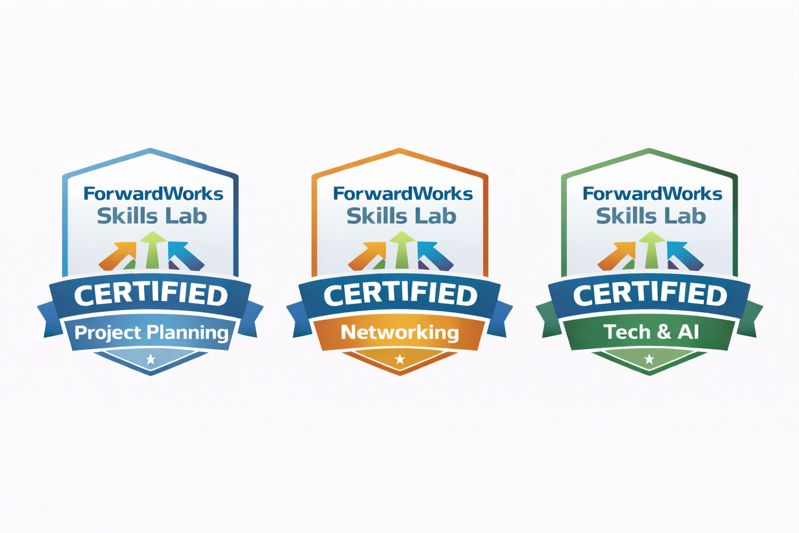
After each successful course completion, the learner will receive a certificate of completion and language to assist them with adding the new skillset to their resume, portfolio and other employment tools.

Our Courses

Course Description

Networking is about building relationships that can help you learn, grow, and succeed. In this course, you’ll learn how to connect with others in ways that are respectful, effective, and comfortable for you.

Learning Objectives

By the end of this course, learners will be able to:

  • Understand what networking is and why it matters for school, work, and community.
  • Practice introducing yourself, starting conversations, and following up.
  • Build confidence in growing a network of supportive people.

Module 1: What is Networking?

In this module, you’ll explore what networking really means and why it matters. You’ll see how building connections can support your goals at school, work, and in your community.

Module 2: Preparing to Network

Here, you’ll take time to think about your strengths, goals, and interests so you feel ready to connect with others. This preparation will make networking more natural and comfortable.

Module 3: Building Confidence

In this module, you’ll practice ways to boost your confidence in networking situations. You’ll try out simple strategies to introduce yourself and start conversations with ease.

Module 4: Networking and Meeting People

This is where you’ll put skills into action. You’ll learn how to approach new people, begin conversations, and build relationships that feel genuine and respectful.

Module 5: Follow-Up

In this final module, you’ll discover how to keep connections strong after the first meeting. You’ll practice following up in ways that grow supportive, lasting relationships.


Course Description

Projects are part of everyday life. A project is simply a set of tasks or activities you do to reach a goal — like planning a school event, finishing a class assignment, or helping at a job site. Good planning makes projects easier and more successful.

In many workplaces, people use “project management” words that can sound complicated or confusing. This course uses plain language to explain those words and ideas so everyone can learn how to plan and complete projects. And, as project planning is an important employment skill, this course shares ways to get organized, work with others, and make sure tasks are finished on time and done well.

Learning Objectives

By the end of this course, learners will be able to:

  • Understand what a project is and why planning matters.
  • Learn and explain key project planning words.
  • Recognize and practice the five project planning phases.
  • Understand the main areas of project planning and why each one is important.
  • Access resources, tools, and templates for future project planning use.

Upon successful completion, learners will receive a certificate and help adding this new skill to their resume, profile, or other employment materials.

Module 1: Introduction to Projects and Planning

In this module, you’ll learn what makes something a project and why planning is so important. You’ll see how having a plan — a roadmap — can make everyday tasks and bigger projects easier and more successful.

Module 2: Types of Project Planning

In Types of Project Planning, you’ll learn how projects are managed and why planning makes such a difference. We use everyday examples—from planning a birthday party to organizing a community fundraiser—to make project management easier to understand. 

You will discover that there are different ways to plan and manage a project: some that plan everything before starting, some that adjust as they go, and some that use both. The course also connects planning to the “big picture”—how projects create value, follow rules, and fit into larger goals at work or in the community.

Module 3: Key Words

Here, you’ll explore common project planning words like project (a set of tasks to reach a goal), task (a single job in the project), plan (a list of steps to follow), team (people who work together), and goal (the final result you want). Knowing these words – and more – will help you talk about projects clearly and work better with others.

Module 4: The Five Planning Groups

In this module, you’ll learn about the five main steps of project planning, called process groups:

  • Initiating: Starting the project
  • Planning: Making the roadmap
  • Executing: Doing the work
  • Monitoring & Controlling: Checking and fixing
  • Closing: Ending and celebrating

We’ll use both professional words and plain language so you can understand what each step means and how it supports project success.

Module 5: Project Management Areas

In this module, you’ll learn about the main areas of project planning, sometimes called knowledge areas. Each area helps you focus on an important part of the project so everything fits together and runs smoothly.

  • Scope and Integration – Deciding what is part of the project (and what is not) and making sure all the pieces work together.
  • Schedule – Planning when tasks will happen so the project stays on track.
  • Cost and Resources – Managing money, tools, and people so you have what you need and stay within budget.
  • Quality – Making sure the work is done well and meets the goals of the project.
  • Communication and Stakeholders – Sharing information with your team and keeping people who care about the project informed and happy.
  • Risk – Thinking ahead about what could go wrong and planning how to fix it if it does.
  • Procurement – Getting supplies, services, or help from outside the project team.

We’ll connect each area to examples, like planning a party, to show how these ideas make projects more successful in everyday life.


Course Description

Technology and AI are part of everyday work. Tools like email, messaging apps, documents, spreadsheets, webinars, and artificial intelligence help people share information, solve problems, and complete tasks. Knowing how to use these tools makes work easier and more successful.

In many workplaces, people use “technology” or “AI” words that can sound complicated or confusing. This course uses plain language to explain those tools and ideas so everyone can learn the basics and practice using them.

Learning Objectives

By the end of this course, learners will be able to:

  • Identify and describe common workplace technologies, including email, messaging apps, word processing, spreadsheets, virtual meeting platforms, webinars, and AI.
  • Practice using workplace technology for real tasks (e.g., send a message, join a meeting, write a document, use an app, or try an AI tool).
  • Build confidence in choosing and using the right tool for the task.
  • Explore how AI can support workplace tasks while understanding its limits.
  • Access resources, tools, and templates for future tech and AI at work use.

Module 1: Technology and Work

In this module, you’ll get an overview of how technology is used in today’s workplaces. You’ll see how tools like email, chat, and video meetings help people connect, share information, and get things done.

Module 2: Common Workplace Tools

Here, you’ll take a closer look at specific types of technology — like documents, spreadsheets, messaging apps, and virtual meetings. You’ll learn what each tool is for and practice using them in simple, real-life tasks.

Module 3: Understanding AI

In this module, you’ll explore what artificial intelligence (AI) is and how it shows up at work. You’ll learn how AI can help with tasks like writing, problem-solving, and organization — and also talk about its limits and what it can’t do.

Module 4: Practice with Tools and Apps

This is your chance to put learning into action. You’ll try out workplace tools by doing activities like sending a message, joining an online meeting, writing a short document, and experimenting with an AI app to see how it can support your work.

Didn’t find what you wanted?  Contact our team to discuss our other Skills Lab and learning options.